
Common Household Toxins That Are Dangerous to Pets
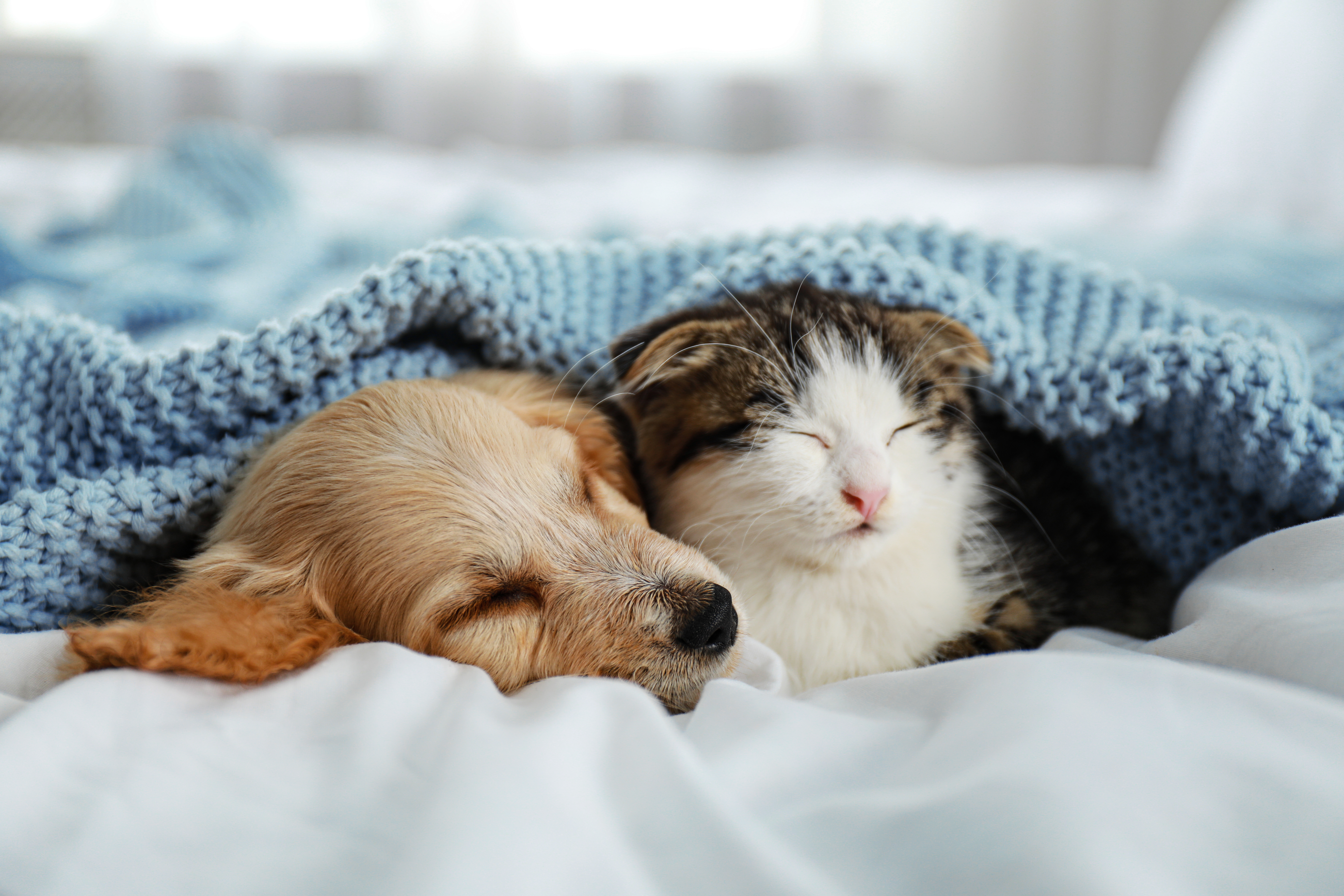
Pets are naturally curious, and many everyday items around the home can be harmful if swallowed, inhaled, or absorbed through the skin. From foods in the kitchen to plants on the patio, household toxins can create serious health risks for dogs, cats, birds, rabbits, and other companion animals. Knowing what to watch for can help pet owners in Kailua act quickly and prevent emergencies.
Foods That Can Harm Pets
Some human foods are unsafe for pets, even in small amounts. Chocolate, grapes, raisins, onions, garlic, macadamia nuts, alcohol, and foods containing xylitol can cause serious reactions. Xylitol is especially dangerous because it can be found in sugar-free gum, candy, baked goods, and some peanut butter products. Because symptoms may not appear right away, it is important to contact our veterinarians if you suspect your pet ate something toxic.
Medications and Supplements
Human medications are one of the most common household dangers for pets. Pain relievers, cold medicine, antidepressants, vitamins, and supplements can all be harmful when taken by an animal. Even medications prescribed for one pet may be unsafe for another, depending on species, size, age, and health history. Keep all medications in closed cabinets, not on counters, nightstands, or inside bags where pets can reach them.
Cleaning Products and Chemicals
Many household cleaners contain ingredients that can irritate the mouth, stomach, skin, eyes, or lungs. Bleach, disinfectants, laundry pods, drain cleaners, and concentrated floor products should be stored securely and used with care around pets.
Common chemical hazards include:
- Rodent bait, insecticides, and snail bait
- Fertilizers and lawn treatments
- Essential oils and fragrance diffusers
- Antifreeze and automotive fluids
- Paint, glue, and craft supplies
If a spill happens, keep your pet away from the area until it is fully cleaned and dry.
Toxic Plants in and Around the Home
Many plants can be dangerous to pets, especially cats. Lilies, sago palms, oleander, pothos, philodendron, aloe, and certain succulents can cause problems ranging from stomach upset to organ damage. Outdoor plants can also pose risks if pets chew leaves, flowers, seeds, or soil treated with chemicals. Before bringing a new plant into your home, check whether it is pet-safe.
Signs Your Pet May Have Been Exposed to a Toxin
Symptoms of toxin exposure can vary depending on what your pet contacted or ingested. Watch for vomiting, diarrhea, drooling, weakness, tremors, coughing, trouble breathing, pale gums, seizures, unusual behavior, or loss of appetite.
Do not wait to see if symptoms improve. Some toxins act quickly, while others cause delayed damage. Our veterinary team can help determine the right next step based on your pet’s species, weight, symptoms, and possible exposure.
What to Do in a Pet Poisoning Emergency
If you think your pet was exposed to a household toxin, move the item away from your pet and call our veterinarian right away. Do not try to make your pet vomit unless a veterinary professional tells you to do so. Bring the product packaging, plant sample, or ingredient list with you if your pet needs an exam.
For urgent concerns about household toxins, contact Pet Hospitals of Hawaii - Kailua Makai Pet Hospital for emergency pet care. Contact our office by calling (808) 671-7387 (PETS) for further guidance.
Our
Services

Keep
In Touch
Our Locations We Have Five Locations
Open to Serve You!
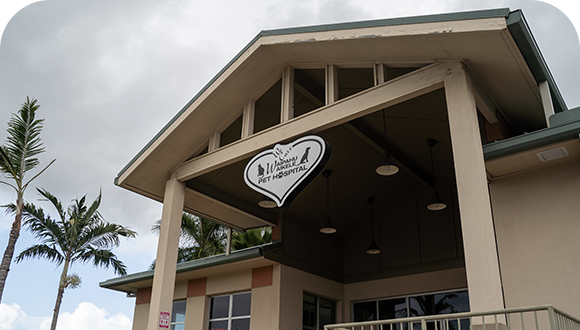

Waipahu Waikele
Pet Hospital


Wahiawa
Pet Hospital
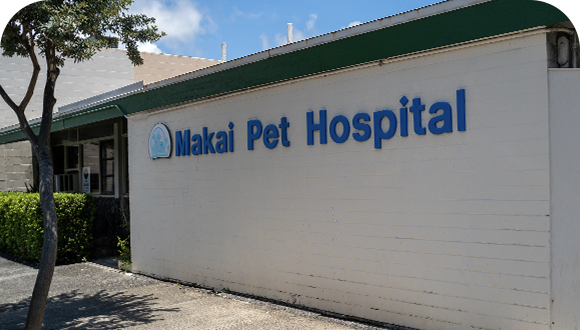

Makai
Pet Hospital


Kailua Makai
Pet Hospital
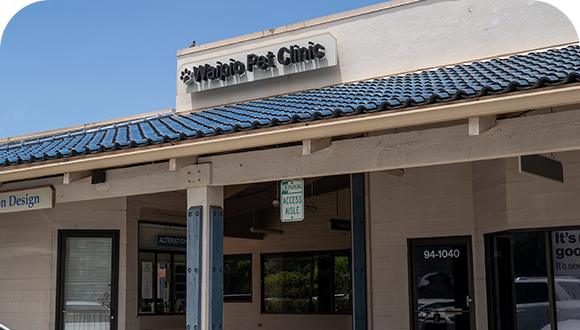

Waipio
Pet Hospital


Pet Specialists of Hawaii
Pet Hospital
© 2026 Pet Hospitals of Hawaii. All Rights Reserved.
Accessibility Statement Privacy Policy SMS Terms of Use Sitemap