
How Often Should Pets Get Their Teeth Cleaned?
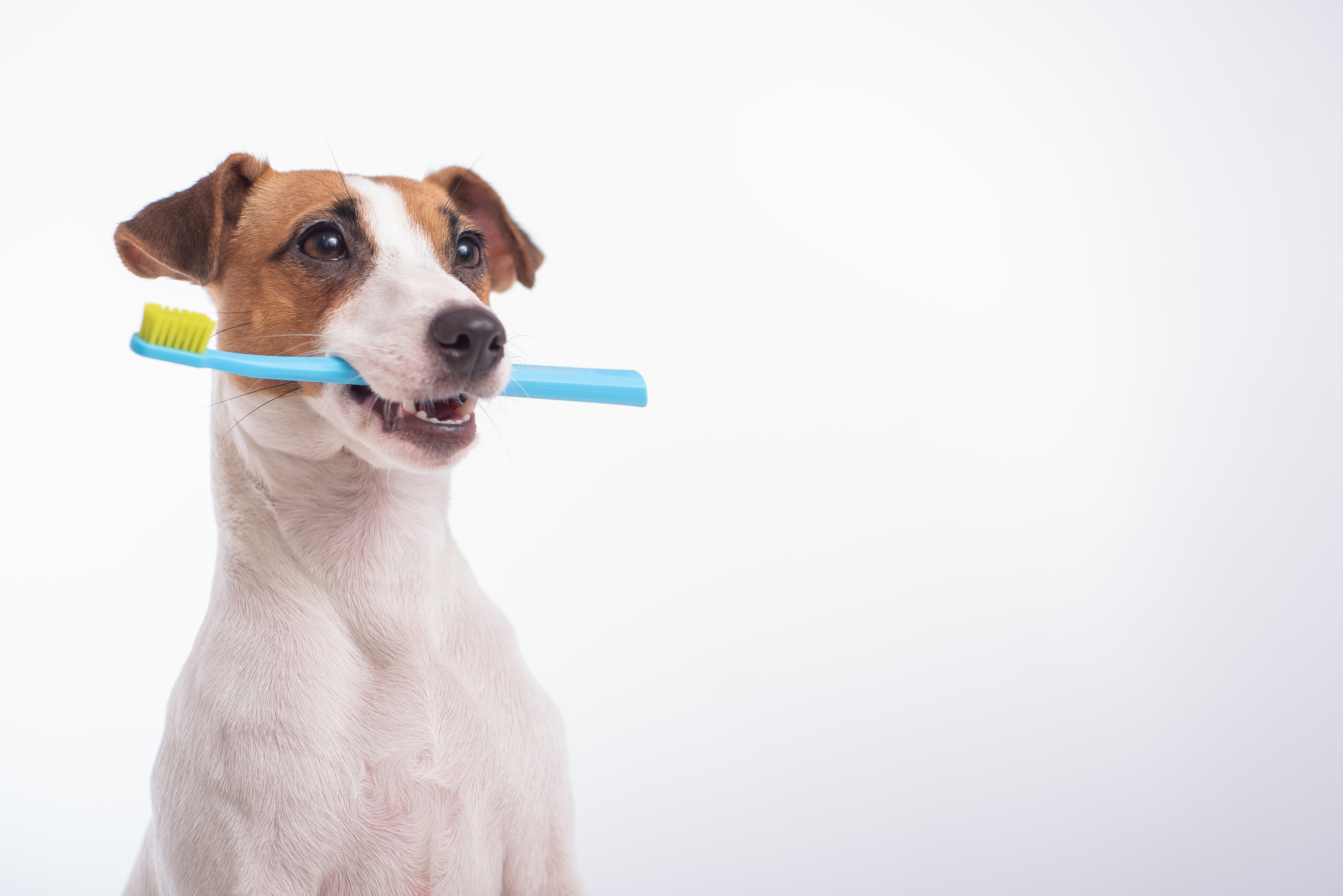
Pet dental care is an important part of your pet’s overall health. Just like people, dogs and cats can develop plaque, tartar, gum inflammation, infection, and tooth pain. Because pets often hide discomfort, dental disease can progress before owners notice anything is wrong. Regular pet teeth cleaning helps protect your pet’s mouth, comfort, and long-term wellness.
Why Pet Dental Cleanings Are Essential
Plaque can harden into tartar, which cannot be removed with brushing alone. Over time, tartar buildup can lead to periodontal disease, bad breath, loose teeth, and painful infections. Bacteria from the mouth may also affect other areas of the body, including the heart, liver, and kidneys.
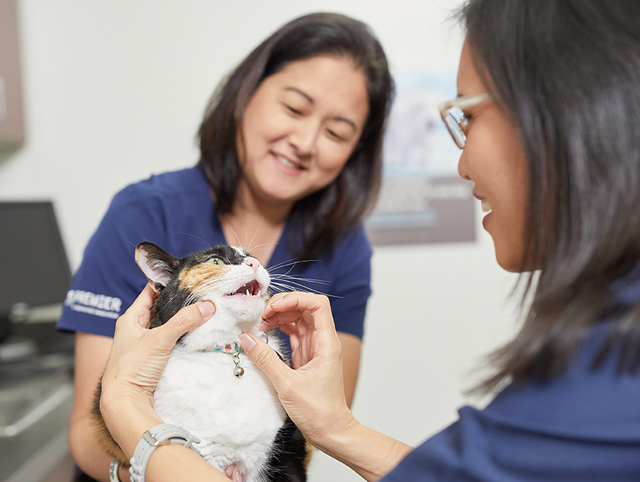
Professional dental cleanings allow our veterinary team to clean above and below the gumline, assess each tooth, and identify problems that may not be visible during a basic oral check.
How Often Should Pets Get Their Teeth Cleaned?
Most pets benefit from a professional dental cleaning about once a year. However, the right schedule depends on your pet’s age, breed, oral health, diet, and home dental care routine. Some pets may need cleanings more often, especially if they are prone to tartar buildup or gum disease.
Small breed dogs, senior pets, and pets with crowded teeth often develop dental issues faster. Cats can also experience painful dental conditions that may require close monitoring and routine care.
Signs Your Pet May Need a Dental Cleaning
Your pet may need a dental exam or cleaning if you notice:
- Bad breath that does not improve
- Yellow or brown tartar on the teeth
- Red, swollen, or bleeding gums
- Drooling or dropping food while eating
- Pawing at the mouth or face
- Loose, broken, or missing teeth
- Changes in appetite or chewing habits
Even if your pet is still eating normally, dental pain can still be present. Many pets continue to eat despite discomfort, which is why routine dental exams are so important.
What Happens During a Professional Pet Teeth Cleaning?
A veterinary dental cleaning is more thorough than home brushing. It typically includes an oral evaluation, scaling to remove plaque and tartar, cleaning beneath the gumline, polishing the teeth, and checking for signs of infection, tooth damage, or periodontal disease.
Because pets cannot sit still and cooperate the way people can during dental care, professional cleanings are performed with anesthesia. This allows our veterinary team to clean safely, reduce stress, and fully examine the mouth.
How to Support Your Pet’s Dental Health at Home
Home care can help slow plaque buildup between professional cleanings. Brushing your pet’s teeth with pet-safe toothpaste is one of the best options, but dental chews, water additives, and veterinarian-recommended diets may also help. Not every product is right for every pet, so it is best to ask your veterinarian which options fit your pet’s needs. Routine exams, consistent home care, and professional cleanings work together to keep your pet’s teeth and gums healthier.
When to Schedule a Dental Visit
If it has been more than a year since your pet’s last dental cleaning, or if you have noticed changes in breath, chewing, gums, or tartar buildup, it may be time to schedule a dental evaluation. Early care can prevent small dental concerns from becoming more painful and expensive issues.
Schedule your pet’s dental exam with Pet Hospitals of Hawaii to help protect their teeth, gums, and overall health with professional veterinary dental care. Visit our office in Waipahu, Waikele, Wahiawa, Makai, or Kailua, and a new location coming soon! Call (808) 671-7387 (PETS) to book an appointment.
Our
Services

Keep
In Touch
Our Locations We Have Five Locations
Open to Serve You!
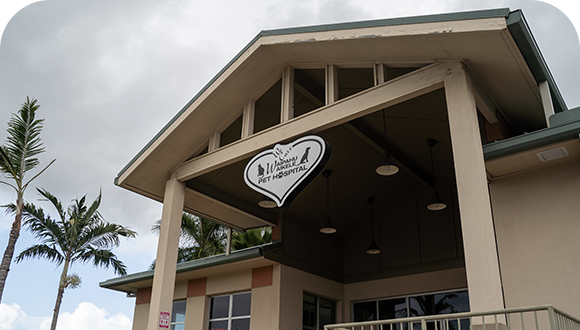

Waipahu Waikele
Pet Hospital


Wahiawa
Pet Hospital
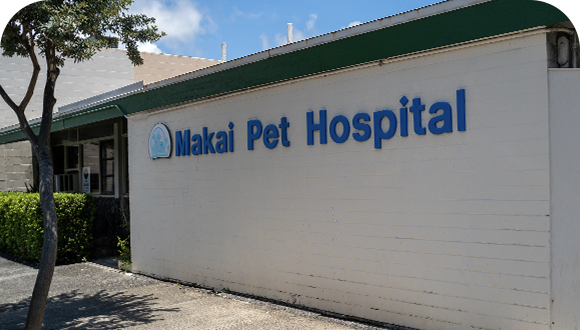

Makai
Pet Hospital


Kailua Makai
Pet Hospital
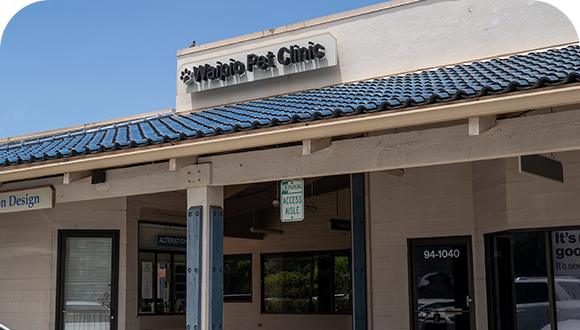

Waipio
Pet Hospital
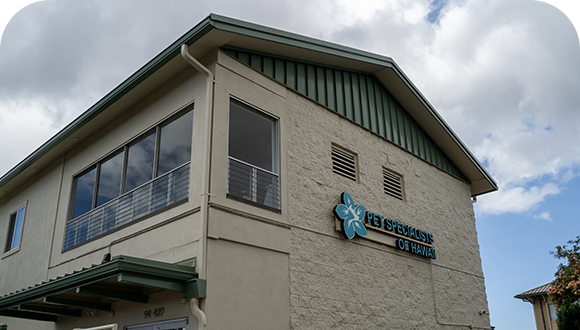

Pet Specialists of Hawaii
Pet Hospital
© 2026 Pet Hospitals of Hawaii. All Rights Reserved.
Accessibility Statement Privacy Policy SMS Terms of Use Sitemap