
What To Do If You Find a Feral Kitten
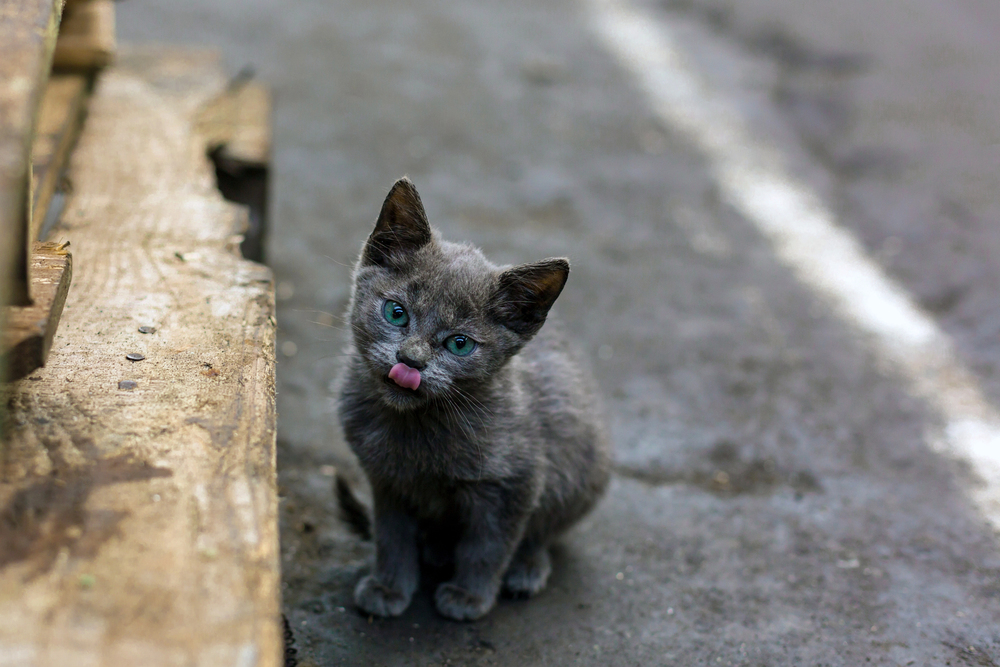
All throughout Hawai‘i, it’s common to come across wild, unsocialized kittens that have never had human contact. Since the world feels unfamiliar and overwhelming to them, these little felines are often scared, defensive, and quick to hiss or hide.
What should you do if you find a feral kitten, and how can you get them the help they need?
How Can You Calm a Feral Kitten?
Here is how you help a feral kitten feel safe and secure:
- Create a Quiet, Secure Space: Set up a small, quiet area like a bathroom or large carrier. Keep it warm and dim, and cover part with a towel or blanket to create a safe hiding spot.
- Move Slowly and Speak Softly: Always move gently and use a calm voice. Avoid direct eye contact and crouch to their level.
- Offer Food to Build Trust: Use strong-smelling food like tuna or wet kitten food. Offer it on a long spoon and feed at regular times to create a routine and build trust.
- Avoid Forceful Handling: Don’t grab or chase a feral kitten. Let them adjust to their space and your presence. If handling is needed, use a towel to gently scoop them. Begin light petting only when they seem calmer.
Remember that any aggression you see is driven by fear, not malice. With time and a calm presence, your little feral feline friend will learn that they are safe.
What Should You Do If You Find a Kitten Outside Alone?
If you’ve found a kitten outside alone, the first step is to determine if the kitten is truly abandoned, as the mother cat may be nearby. If the kitten appears clean, fed, and safe, observe from a distance for 4–6 hours. The mother is likely hunting or hiding from you.
Do not interfere unless the kitten is in immediate danger, such as being in an unsafe location (like a road or parking lot) or if it looks sickly, injured, weak, or cold to the touch. If the mother has not returned after several hours, intervention is necessary.
Call a local rescue, shelter, or the Pet Hospitals of Hawaii for advice, supplies, or to inquire about a foster network, especially if the kitten is a neonate requiring round-the-clock care. The kitten needs a vet checkup right away, so don’t delay.
Are Feral Kittens Dangerous?
Feral kittens are only dangerous in the sense that they can scratch or bite in self-defense. They tend to calm down once they realize you’re not going to hurt them. Use careful handling techniques and respect the kitten’s boundaries until it trusts you.
Do Feral Kittens Carry Diseases?

When rescuing a stray or feral kitten, it's wise to assume they may have underlying health issues, including parasites or infections. Common issues include:
- Fleas and Ticks: Very common and can lead to anemia in small kittens.
- Intestinal Parasites (Worms): Often cause diarrhea, a pot-bellied appearance, and poor growth.
- Ear Mites: Lead to intense itching and dark, waxy ear debris.
- Ringworm: A contagious fungal infection that causes scaly patches and hair loss.
Your veterinarian will also need to check for other potential risks, including:
- FeLV and FIV (immune-suppressing viruses)
- Feline Panleukopenia (a severe, sometimes fatal viral illness)
- Cat-Scratch Disease
- Toxoplasmosis
If you’ve rescued a feral kitten, don’t delay in taking them to the vet. Early exams, testing, and vaccinations help protect both the kitten and anyone caring for them.
How Long Should a Stray Cat Be Quarantined?
A stray cat should be quarantined for about 10 to 14 days. This gives you enough time to watch for signs of illness, check for parasites, and prevent the spread of any infections to other pets in your home.
During this period, keep the cat in a separate room with its own food, water, litter box, and bedding. If the cat shows symptoms like sneezing, coughing, diarrhea, or loss of appetite, extend the quarantine until a veterinarian can evaluate them.
Where to Turn When You Find a Feral Kitten in Need
Knowing what to do if you find a feral kitten can feel overwhelming at first, but every small step you take gives that tiny life a chance to grow and thrive. If you ever feel unsure about a kitten’s health or the next steps in their care, Kailua Makai Pet Hospital is here to support you with compassionate, clear guidance.
To make sure your little rescue gets the right start, schedule an appointment with Kailua Makai Pet Hospital online or call (808) 262-9621.
Our
Services

Keep
In Touch
Our Locations We Have Five Locations
Open to Serve You!


Waipahu Waikele
Pet Hospital


Wahiawa
Pet Hospital


Makai
Pet Hospital


Kailua Makai
Pet Hospital


Waipio
Pet Hospital


Pet Specialists of Hawaii
Pet Hospital
© 2026 Pet Hospitals of Hawaii. All Rights Reserved.
Accessibility Statement Privacy Policy SMS Terms of Use Sitemap