
How Weather and Climate Can Affect Pet Health
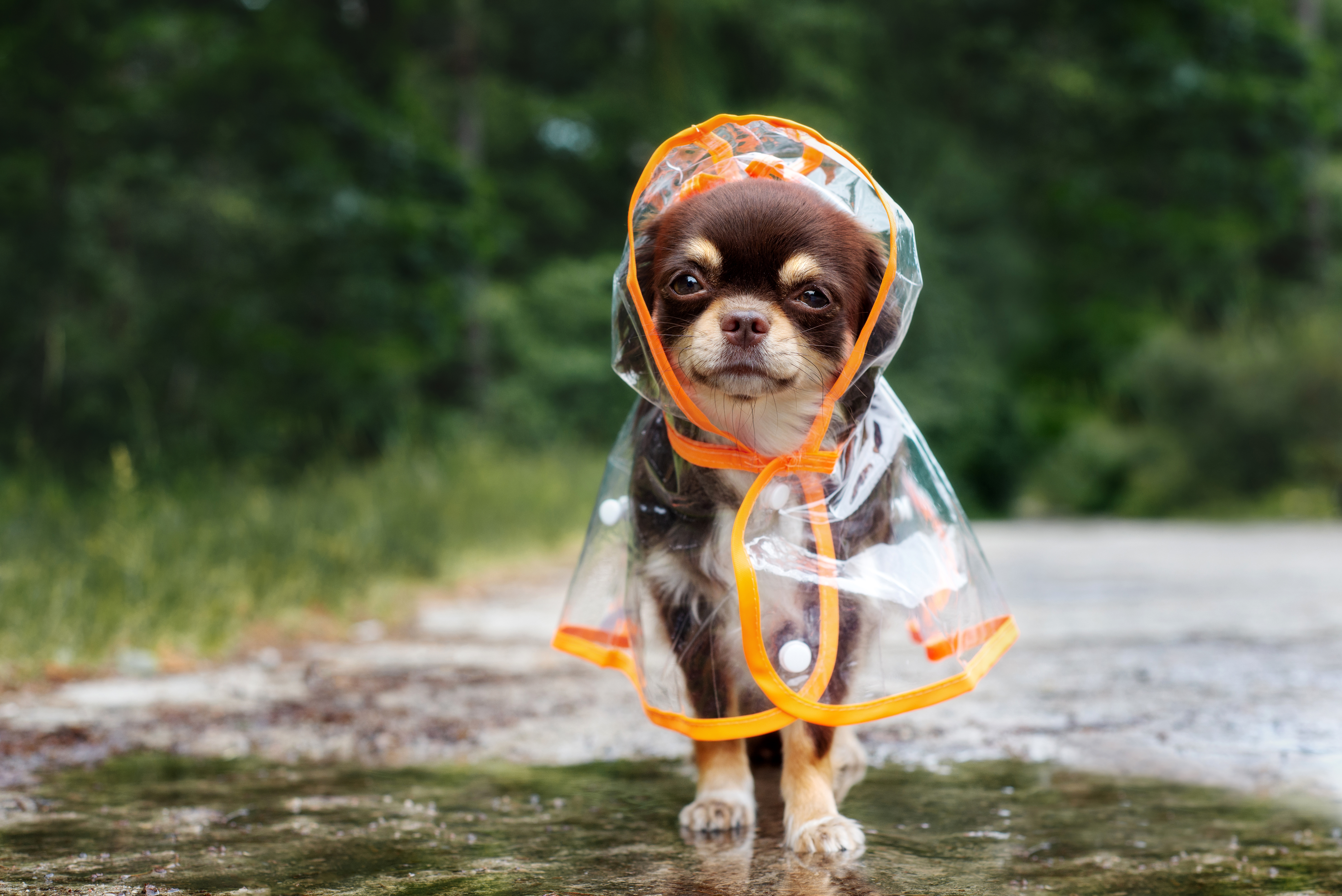
Weather and climate can have a real impact on your pet’s comfort, behavior, and overall health. Changes in temperature, humidity, rainfall, and seasonal conditions can affect everything from skin and coat health to breathing, joints, and parasite exposure. By paying attention to how the environment affects your pet, we can help you take steps to keep them safer and more comfortable year-round.
Heat Can Lead to Serious Health Risks
Warm weather can raise the risk of dehydration, overheating, and heatstroke in both dogs and cats. Pets that spend time outdoors, have thick coats, are brachycephalic, or are older may be especially vulnerable. Even moderate heat can become dangerous when there is poor airflow or limited shade.
Signs of heat-related illness can include heavy panting, drooling, weakness, vomiting, or collapse. If you notice these symptoms, your pet should be evaluated as soon as possible.
Humidity Can Worsen Skin and Ear Problems
Humidity does more than make pets uncomfortable. It can also create conditions that encourage hot spots, skin irritation, and ear infections. Moisture trapped in the coat or ears may lead to inflammation, itching, and bacterial or yeast overgrowth.
Pets that swim often, have skin folds, or have floppy ears may need extra attention during humid conditions. Keeping the coat clean and dry and monitoring for scratching, redness, or odor can help catch problems early.
Climate Changes Can Affect Allergies
Environmental changes may also trigger or worsen allergies. Pollen, mold, and other airborne irritants can lead to itchy skin, licking, watery eyes, sneezing, and recurring ear issues. Some pets experience seasonal flare-ups, while others may deal with symptoms for longer periods depending on the climate around them.
When allergy symptoms keep coming back, we can help determine whether your pet may benefit from a closer exam, testing, or a long-term management plan.
Rainy Conditions Can Increase Parasite Exposure
Wet conditions can create a better environment for certain parasites and pests. Fleas, ticks, and mosquitoes may become more active, increasing your pet’s risk for skin irritation and disease transmission. Standing water and damp outdoor areas can also expose pets to harmful bacteria or contaminated surfaces.
A few practical ways to reduce risk include:
- Staying current on flea, tick, and heartworm prevention
- Drying your pet thoroughly after walks or outdoor play
- Checking paws and coat after time outside
- Watching for scratching, bites, or signs of skin irritation
Year-Round Monitoring Matters
Because weather and climate can affect pets in different ways, it is important to watch for subtle changes in behavior, appetite, skin, ears, energy level, and breathing, and to stay current with regular wellness exams. Small signs can point to larger concerns if they are ignored for too long, and routine checkups can help us catch developing issues early.
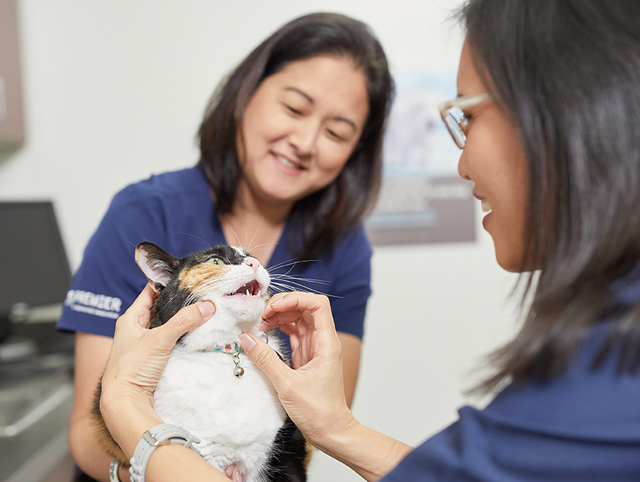
At Pet Hospitals of Hawaii, we help pet owners stay ahead of seasonal and climate-related health issues with preventive care, exams, and treatment tailored to each pet’s needs. Visit our office in Waipahu Waikele, Wahiawa, Makai, or Kailua, and a new location coming soon! Call (808) 671-7387 (PETS) to book an appointment.
Our
Services

Keep
In Touch
Our Locations We Have Five Locations
Open to Serve You!


Waipahu Waikele
Pet Hospital


Wahiawa
Pet Hospital
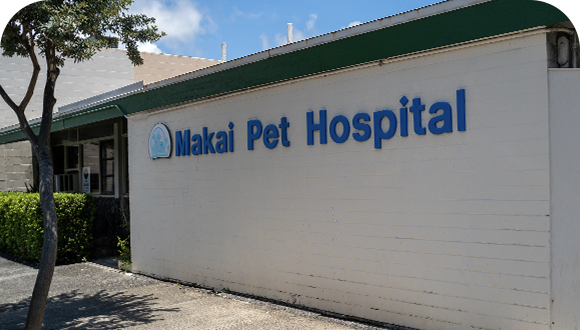

Makai
Pet Hospital


Kailua Makai
Pet Hospital
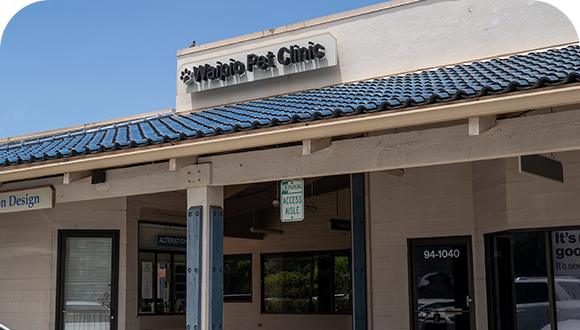

Waipio
Pet Hospital
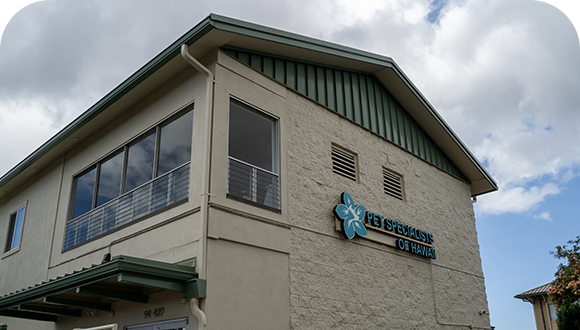

Pet Specialists of Hawaii
Pet Hospital
© 2026 Pet Hospitals of Hawaii. All Rights Reserved.
Accessibility Statement Privacy Policy SMS Terms of Use Sitemap