
Is Your Senior Pet Slowing Down? Signs It May Be More Than Normal Aging

As pets get older, it is natural to notice changes in their energy, activity level, and daily habits. Your dog may take longer to get up after a nap, or your cat may no longer jump onto a favorite spot as easily. While some slowing down can come with age, significant changes should not automatically be dismissed as normal aging.
Senior pet care can help identify medical conditions that may be causing discomfort, mobility problems, or behavioral changes. Recognizing these signs early gives us a better opportunity to support your pet's health and quality of life.
When Slowing Down Could Signal a Health Problem
A gradual decrease in stamina can be expected in an older pet, but noticeable changes in everyday behavior deserve attention. Arthritis, dental disease, heart conditions, kidney disease, hormonal disorders, and other age-related health concerns can initially appear as subtle changes at home.
Pets are also skilled at hiding pain. Rather than crying or showing obvious discomfort, they may simply sleep more, avoid stairs, become less interested in play, or hesitate before standing.
Signs Your Senior Pet Should Be Evaluated
Watch for changes that are new, persistent, or becoming more noticeable. Signs worth discussing with your veterinarian include:
• Difficulty standing, walking, climbing stairs, or jumping
• Stiffness after resting or changes in the way your pet moves
• Sleeping significantly more or showing less interest in activities
• Unexplained weight loss or weight gain
• Changes in appetite or water consumption
• Increased urination or accidents in the house
• Bad breath, difficulty chewing, or dropping food
• New confusion, anxiety, restlessness, or changes in social behavior
Even seemingly minor changes can provide valuable clues about your senior pet's health.
Why Senior Pet Wellness Exams Matter
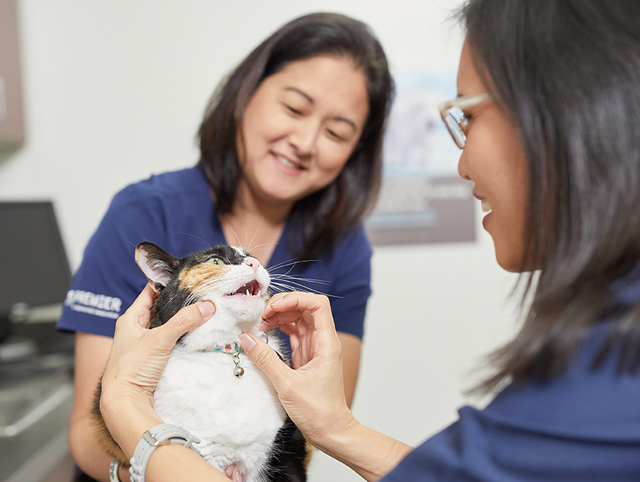
Regular veterinary wellness exams become increasingly important as pets enter their senior years. A physical examination allows us to assess your pet's joints, weight, heart, lungs, teeth, skin, and overall condition. Depending on your pet's age, history, and symptoms, diagnostic testing such as blood work, urinalysis, X-rays, or ultrasound may also be recommended.
These evaluations can uncover health concerns before they become more advanced. Early diagnosis may provide more options for managing chronic conditions and keeping your pet comfortable.
Helping Older Pets Stay Comfortable And Active
Age alone does not mean your pet has to give up the activities they enjoy. Depending on the cause of their symptoms, care may include weight management, nutritional recommendations, pain management, medication, mobility support, dental care, or other therapies.
Small adjustments at home can also make daily life easier. Providing supportive bedding, keeping food and water within easy reach, using nonslip surfaces, and modifying exercise to match your pet's abilities can help reduce unnecessary strain.
If your senior pet seems to be slowing down, schedule a wellness exam with Pet Hospitals of Hawaii to find out what may be behind the changes and how we can help keep your companion comfortable and active. Visit our office in Waipahu, Waikele, Wahiawa, Makai, or Kailua, and a new location coming soon! Call (808) 671-7387 (PETS) to book an appointment.
Our
Services

Keep
In Touch
Our Locations We Have Five Locations
Open to Serve You!
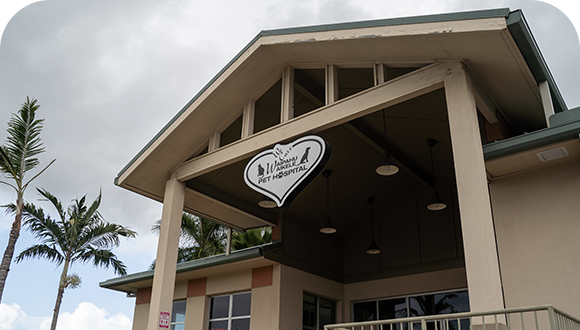

Waipahu Waikele
Pet Hospital


Wahiawa
Pet Hospital


Makai
Pet Hospital


Kailua Makai
Pet Hospital
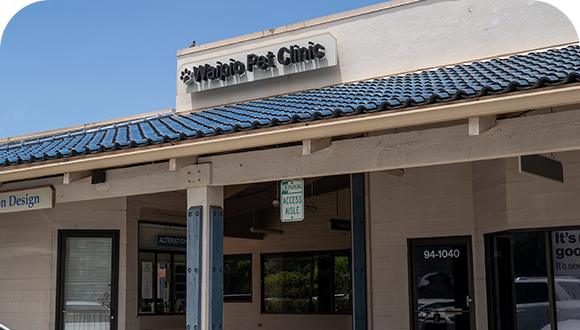

Waipio
Pet Hospital
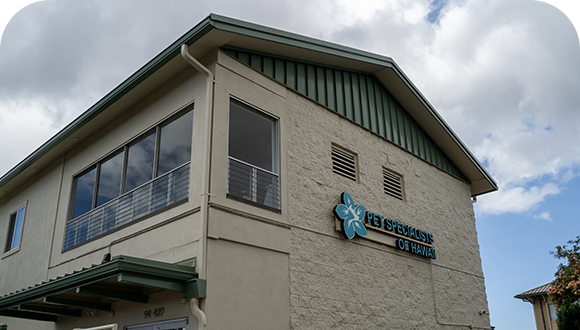

Pet Specialists of Hawaii
Pet Hospital
© 2026 Pet Hospitals of Hawaii. All Rights Reserved.
Accessibility Statement Privacy Policy SMS Terms of Use Sitemap