
Panting, Drooling, or Lethargic? Recognizing Signs of Heatstroke in Your Dog
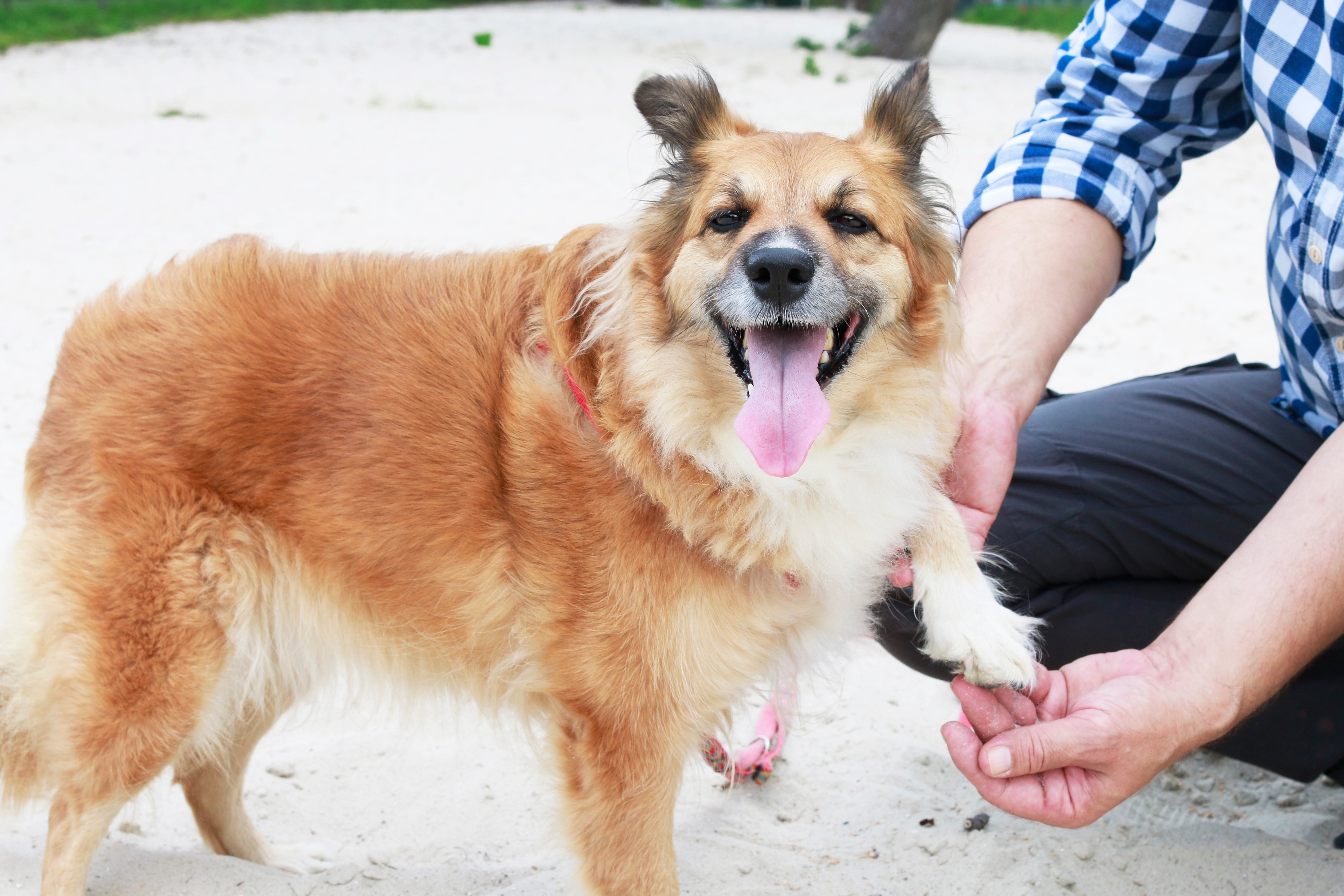
Warm weather allows dogs and their families to enjoy more time outdoors, but heat and humidity can quickly become dangerous. Dog heatstroke occurs when a dog’s body temperature rises faster than it can cool down. Because dogs rely mainly on panting to release heat, overheating may progress rapidly, especially during exercise or time spent in poorly ventilated spaces. Dog owners should recognize the early warning signs and know when immediate veterinary care is necessary.
When Panting Becomes a Warning Sign
Panting after a walk or playtime is normal, but it should begin to ease after your dog rests in a cool area. Heavy, nonstop, or labored panting may signal that your dog is struggling to regulate body temperature.
Excessive drooling is another common warning sign. The saliva may appear unusually thick or sticky. If panting and drooling are accompanied by weakness, unusual behavior, or difficulty walking, treat the situation as an emergency rather than waiting for symptoms to improve.
Common Signs of Dog Heatstroke
Heatstroke symptoms can worsen quickly. Watch for:
• Heavy or rapid panting that does not slow down
• Excessive, thick, or sticky drooling
• Lethargy, weakness, confusion, or poor coordination
• Bright red, pale, dry, or sticky gums
• Vomiting or diarrhea
• Rapid heartbeat, collapse, seizures, or unconsciousness
A dog showing several of these signs needs prompt attention from a veterinarian in Kailua.
Which Dogs Face a Higher Risk?
Any dog can develop heatstroke, but certain pets are more vulnerable. Flat-faced breeds such as Bulldogs, Pugs, and French Bulldogs may have more difficulty breathing and cooling themselves. Puppies, senior dogs, overweight dogs, dogs with thick coats, and pets with heart or respiratory conditions also require extra caution.
Risk may increase during midday walks, intense outdoor play, time on hot pavement, or confinement in a parked vehicle. Even with the windows cracked, a vehicle can become dangerously hot. Pet owners should always provide shade, fresh water, rest breaks, and access to an air-conditioned or well-ventilated area.
What to Do If You Suspect Heatstroke
Move your dog into a shaded, air-conditioned, or well-ventilated space immediately. Begin gradual cooling with cool water on the body, particularly the belly, paws, and neck. A fan can help increase airflow.
Do not use ice-cold water or fully submerge your dog in cold water. Avoid forcing your dog to drink. Contact our veterinary hospital right away and follow the team’s instructions while traveling for care. Even if your dog appears to recover, internal complications may still develop and require evaluation.
If your dog is panting heavily, drooling excessively, acting lethargic, or showing other signs of heatstroke, contact Pet Hospitals of Hawaii - Kailua Makai Pet Hospital immediately. Call (808) 671-7387 (PETS) to book an appointment today.
Our
Services

Keep
In Touch
Our Locations We Have Five Locations
Open to Serve You!
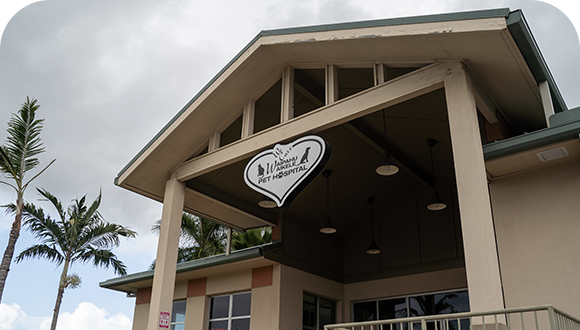

Waipahu Waikele
Pet Hospital
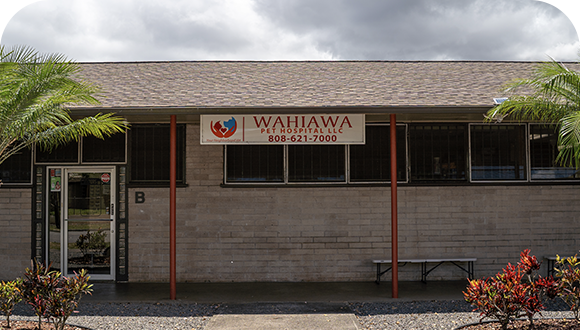

Wahiawa
Pet Hospital

Makai
Pet Hospital

Kailua Makai
Pet Hospital

Waipio
Pet Hospital

Pet Specialists of Hawaii
Pet Hospital
© 2026 Pet Hospitals of Hawaii. All Rights Reserved.
Accessibility Statement Privacy Policy SMS Terms of Use Sitemap