
Pet Dental Consultations in Waipahu: Questions About Oral Exams and Anesthesia Planning
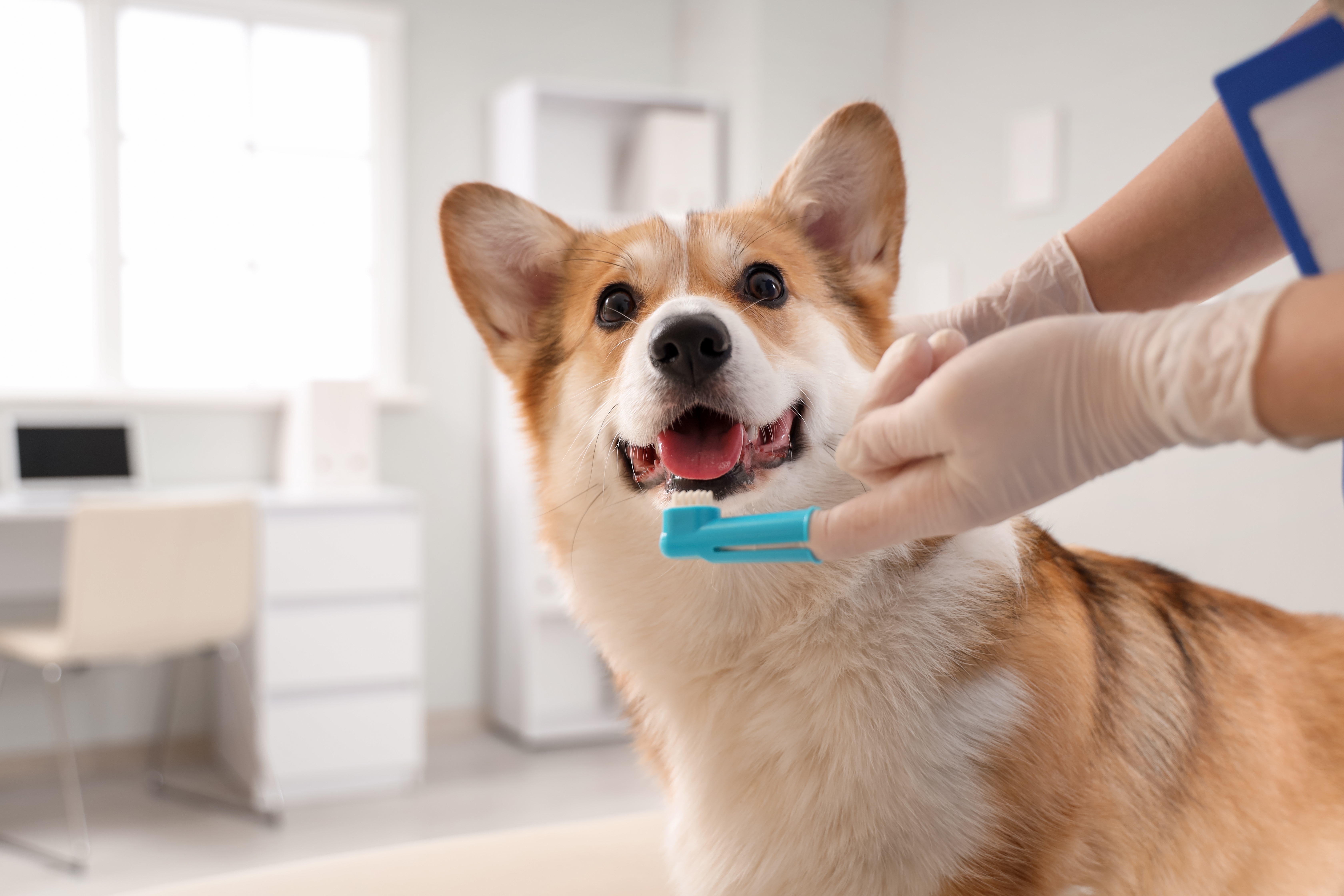
Bad breath, visible tartar, difficulty chewing, or red gums can all be reasons to schedule a dental consultation for your pet. However, planning professional veterinary dental care involves more than looking at the teeth that are visible while your dog or cat is awake.
At Waipahu Waikele Pet Hospital, we provide complete pet dentistry for Waipahu families. A dental consultation gives your veterinarian an opportunity to evaluate your pet’s oral health, review their medical history, and discuss whether an anesthetized dental procedure may be appropriate.
What Can Be Evaluated During an Awake Oral Exam?
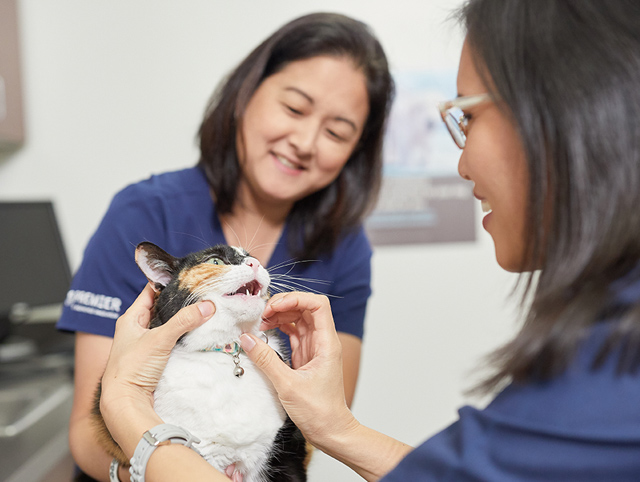
During an initial dental consultation, your veterinarian can examine the visible teeth and gums and look for signs such as tartar buildup, gum inflammation, fractured teeth, loose teeth, or other abnormalities.
Your pet’s willingness to allow an oral examination can affect how much can be seen. An awake exam cannot provide the same access to every tooth surface or the structures below the gumline.
This is why the consultation is often a starting point. Your veterinarian may be able to identify obvious concerns while also explaining what can only be assessed more thoroughly during a professional dental procedure.
Questions to Ask About Your Pet’s Dental Health
A Waipahu pet dental consultation is a good time to understand what your veterinarian sees and what may need additional evaluation.
Consider asking:
What signs of dental disease are visible during the oral exam?
Are any teeth obviously fractured, loose, or damaged?
Why might anesthesia be recommended for a complete dental procedure?
Will dental X-rays be recommended?
Does my pet need bloodwork or other testing before anesthesia?
How will my pet be monitored during the procedure?
Could extractions or other treatment become necessary after the full dental examination?
What should I expect during recovery at home?
Your veterinarian can answer these questions based on your pet’s individual health rather than providing the same plan for every patient.
Why Is Anesthesia Commonly Used for Pet Dentistry?
Professional veterinary dentistry generally requires anesthesia so the veterinary team can safely examine and clean the entire mouth while the pet remains still.
This allows access below the gumline, where periodontal disease can develop even when the visible part of a tooth does not look severely affected. Anesthesia also allows the team to perform detailed dental imaging and treatment when indicated without causing unnecessary movement or stress.
Anesthesia planning is individualized. Your veterinarian may consider your pet’s age, breed, current health, medications, previous anesthetic history, and any known medical conditions before recommending a plan.
No anesthesia protocol is completely risk-free, which is why pre-procedure assessment and monitoring are important parts of veterinary dental care.
Share Your Pet’s Medical History Before the Procedure
Bring an updated medication and supplement list to your consultation. Tell the veterinary team about heart disease, kidney disease, diabetes, seizures, previous anesthesia concerns, allergies, or recent changes in appetite, energy, breathing, or behavior.
Do not stop medications or change doses simply because a dental procedure may be scheduled. Follow the specific instructions provided by the veterinarian managing your pet’s care.
If pre-anesthetic testing is recommended, ask what information the veterinarian is looking for and how the findings may influence the procedure.
Discuss What Happens After the Dental Exam
Sometimes the full extent of dental disease becomes clearer only after the pet is anesthetized and the teeth can be examined closely. Dental X-rays may reveal problems involving tooth roots or bone that are not visible during an awake examination.
Ask how the hospital handles findings that may require additional treatment, including extractions. Understanding the communication and consent process beforehand can make the day of the procedure easier.
Your veterinary team should also provide individualized discharge instructions covering feeding, medications, activity, and signs that should prompt a call after your pet returns home.
If your dog or cat is showing signs of dental disease or is due for an oral health evaluation, schedule a pet dental consultation with Waipahu Waikele Pet Hospital at 94-485 Koaki Street, Waipahu, HI 96797 by calling (808) 671-7387.
Our
Services

Keep
In Touch
Our Locations We Have Five Locations
Open to Serve You!

Waipahu Waikele
Pet Hospital

Wahiawa
Pet Hospital

Kailua Makai
Pet Hospital

Waipio
Pet Hospital

Pet Specialists of Hawaii
Pet Hospital
© 2026 Pet Hospitals of Hawaii. All Rights Reserved.
Accessibility Statement Privacy Policy SMS Terms of Use Sitemap