
Which Vaccines Does Your Dog Really Need?
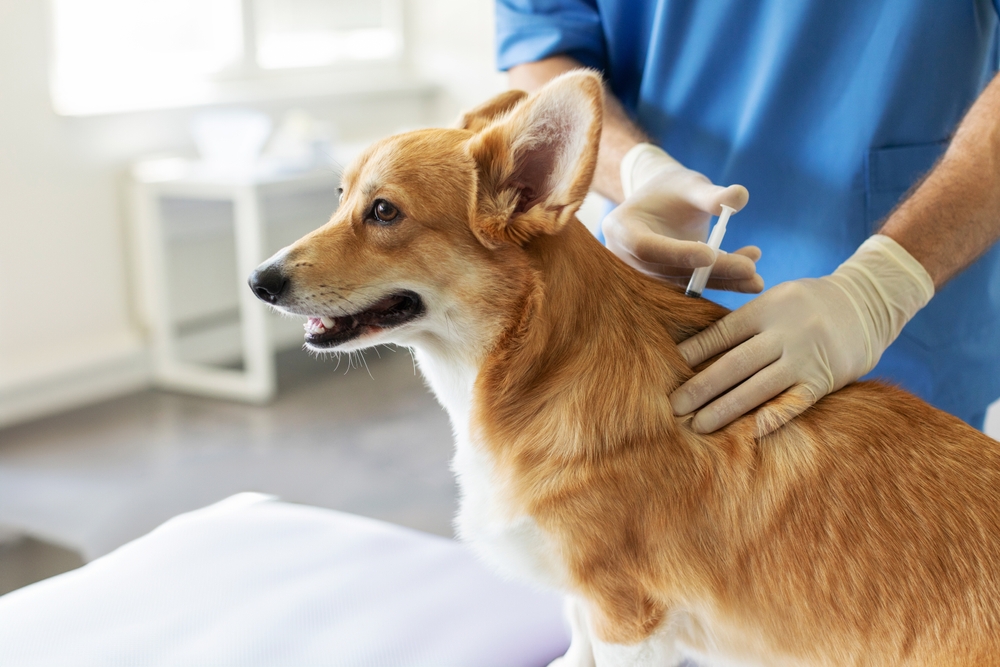
Keeping your dog healthy starts with preventive care, and vaccinations play a critical role in protecting dogs from serious, sometimes life-threatening diseases. However, many pet owners wonder which vaccines are truly necessary and which may depend on their dog’s lifestyle and environment. If you’re looking for guidance on pet vaccinations in Wahiawa, understanding the difference between core and non-core vaccines is the first step.
Why Vaccinations Matter for Dogs
Vaccines help your dog’s immune system recognize and fight harmful viruses and bacteria before they cause illness. Some diseases spread rapidly between animals, while others can be transmitted through wildlife or the environment. In Hawaii’s warm climate, where pets are frequently outdoors, vaccination becomes especially important for long-term health and safety.
Core Vaccines: Essential for Every Dog
Core vaccines are recommended for all dogs, regardless of breed, age, or lifestyle. These protect against highly contagious and potentially fatal diseases.
Rabies: Rabies is required by law in Hawaii and is fatal once symptoms appear. Vaccination protects not only your dog, but also your family and community.
Distemper: Canine distemper is a serious viral illness affecting the respiratory, gastrointestinal, and nervous systems. It is highly contagious and often fatal in unvaccinated dogs.
Parvovirus: Parvo is especially dangerous for puppies and can cause severe vomiting, diarrhea, and dehydration. It spreads easily through contaminated surfaces and environments.
Adenovirus (Hepatitis): This virus affects the liver and can lead to serious complications. Vaccination also helps prevent respiratory infections caused by related strains.
Non-Core Vaccines: Based on Lifestyle and Risk
Non-core vaccines are recommended depending on your dog’s exposure risks, daily activities, and environment. Your veterinarian can help determine which ones are appropriate.
Leptospirosis: This bacterial infection can be spread through standing water, soil, or contact with wildlife. Dogs in outdoor or rural areas may be at higher risk.
Bordetella (Kennel Cough): Often required for boarding, grooming, or daycare, Bordetella protects against a highly contagious respiratory illness.
Canine Influenza: Dogs that frequently interact with other dogs at parks, daycare facilities, or events may benefit from protection against canine flu.
Lyme Disease: While less common in Hawaii, dogs traveling to or from mainland areas may need this vaccine depending on exposure to ticks.
Puppies vs. Adult Dogs: Vaccination Timing Matters
Puppies receive a series of vaccines starting at a young age to build immunity as maternal antibodies fade. Adult dogs require booster vaccinations to maintain protection throughout their lives. Staying on schedule ensures your dog remains protected during every life stage.
Choosing the Right Vaccination Plan in Wahiawa
Every dog is unique, and there is no one-size-fits-all vaccination plan. Factors such as age, lifestyle, travel, and health history all play a role. Working with a trusted veterinarian ensures your dog receives the right protection without unnecessary treatments. If you’re seeking reliable pet vaccinations in Wahiawa, personalized care makes all the difference.
Schedule Your Dog’s Vaccinations at Pet Hospitals of Hawaii
Vaccinations are one of the most effective ways to protect your dog from preventable diseases. While core vaccines are essential for every dog, non-core vaccines should be tailored to your dog’s lifestyle and risk level. By staying informed and working closely with your veterinarian, you can help your dog live a longer, healthier life.
If you’re looking for trusted pet vaccinations in Wahiawa, contact Pet Hospitals of Hawaii to schedule a consultation for a vaccination plan tailored to your dog’s needs. Call (808) 621-7000 to book an appointment today.
Our
Services

Keep
In Touch
Our Locations We Have Five Locations
Open to Serve You!


Waipahu Waikele
Pet Hospital


Wahiawa
Pet Hospital


Makai
Pet Hospital


Kailua Makai
Pet Hospital

Waipio
Pet Hospital


Pet Specialists of Hawaii
Pet Hospital
© 2026 Pet Hospitals of Hawaii. All Rights Reserved.
Accessibility Statement Privacy Policy SMS Terms of Use Sitemap