
Why Gum Disease Is Common in Dogs & Cats
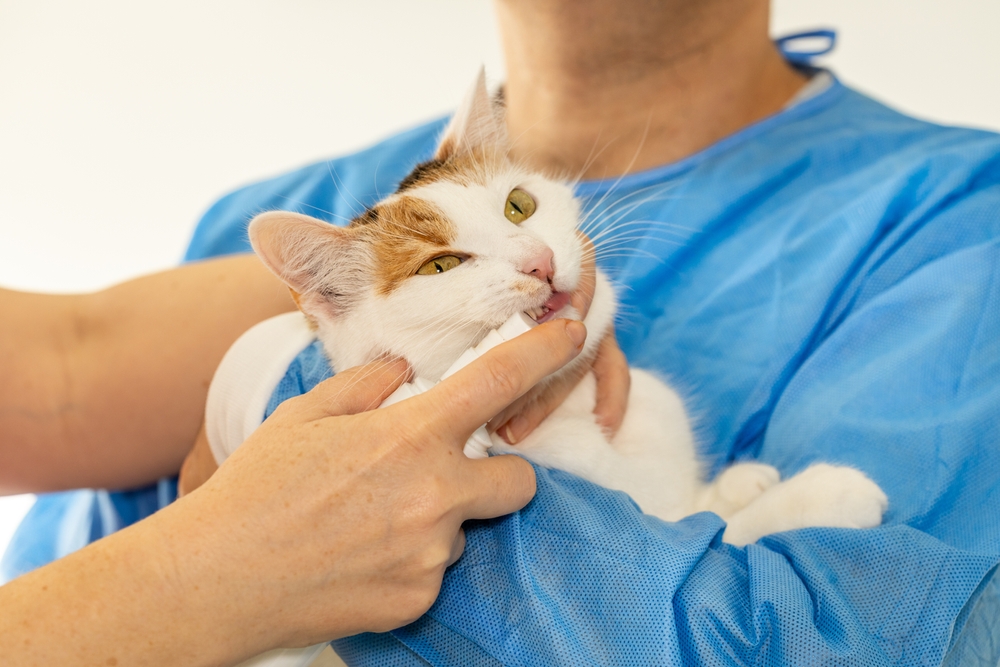
Gum disease is one of the most common health conditions affecting dogs and cats. Many pet owners are surprised to learn that the majority of pets will show signs of dental disease by just a few years of age. Left untreated, gum disease doesn’t just impact the mouth - it can affect your pet’s overall health and quality of life.
What Is Gum Disease in Pets?
Gum disease, also known as periodontal disease, is an infection and inflammation of the tissues surrounding the teeth. It begins when plaque builds up on the teeth. If plaque is not removed, it hardens into tartar, which irritates the gums and creates an environment for bacteria to thrive.
Over time, gum disease can progress through several stages:
Gingivitis: Red, swollen gums that may bleed
Early periodontal disease: Gum recession and early bone loss
Advanced periodontal disease: Severe infection, loose teeth, pain, and tooth loss
Because pets instinctively hide discomfort, gum disease often progresses quietly until it becomes advanced.
What Causes Gum Disease in Dogs & Cats?
Several factors make dogs and cats especially prone to gum disease:
Plaque and Tartar Buildup: Daily eating leaves food particles and bacteria on teeth. Without regular cleaning, plaque hardens into tartar that cannot be removed with brushing alone.
Lack of Routine Dental Care: Many pets don’t receive consistent at-home dental care or professional cleanings, allowing disease to progress unnoticed.
Diet and Chewing Habits: Soft foods, table scraps, and limited chewing activity can increase plaque accumulation.
Breed and Anatomy: Small-breed dogs and certain cat breeds often have crowded teeth, which creates tight spaces where bacteria easily collect.
Age: As pets get older, the risk of gum disease increases due to long-term plaque exposure and natural wear on oral tissues.
The Importance of Veterinary Dental Care at Kailua Makai Pet Hospital
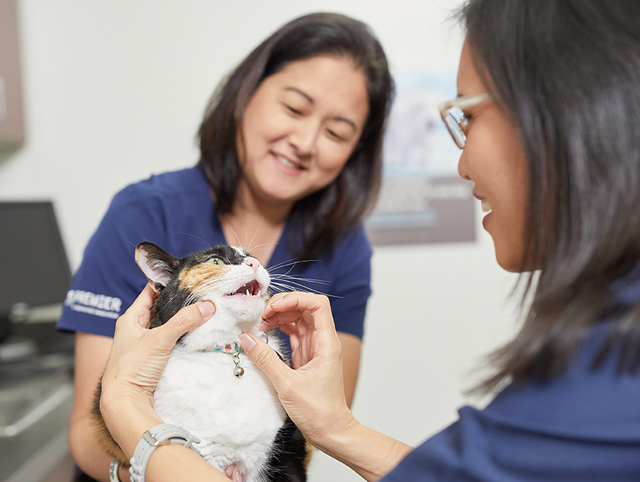
Professional veterinary dental care plays a critical role in maintaining your pet’s oral and overall health. While brushing at home is helpful, it cannot replace a comprehensive dental exam and cleaning performed by a veterinary team.
Veterinary dental care at Kailua Makai allows for:
Thorough cleaning above and below the gumline
Dental X-rays to identify hidden issues
Early detection of infection or tooth damage
Safe tooth extractions when necessary
Personalized recommendations for at-home dental care
Routine dental evaluations help stop gum disease before it becomes painful or costly to treat.
Signs Your Pet May Have Gum Disease
Watch for these common warning signs:
Bad breath
Red or bleeding gums
Yellow or brown buildup on teeth
Drooling or pawing at the mouth
Difficulty eating or chewing
Loose or missing teeth
If you notice any of these symptoms, it’s important to schedule a dental evaluation promptly.
Schedule Your Pet’s Dental Exam Today
Gum disease is extremely common in dogs and cats, but it is also highly preventable with proper care. By prioritizing professional veterinary dental care in Kailua Makai, pet owners can help ensure their pets enjoy healthier mouths and happier lives.
If it’s been a while since your pet’s last dental evaluation, contact Kailua Makai Pet Hospital to schedule a comprehensive dental exam and learn how our team can help keep your dog or cat’s smile healthy for years to come. Call (808) 671-7387 (PETS) to schedule an appointment today.
Our
Services

Keep
In Touch
Our Locations We Have Five Locations
Open to Serve You!

Waipahu Waikele
Pet Hospital


Wahiawa
Pet Hospital

Makai
Pet Hospital


Kailua Makai
Pet Hospital

Waipio
Pet Hospital

Pet Specialists of Hawaii
Pet Hospital
© 2026 Pet Hospitals of Hawaii. All Rights Reserved.
Accessibility Statement Privacy Policy SMS Terms of Use Sitemap