
X-Ray vs. Veterinary Ultrasound: Which Diagnostic Does Your Pet Actually Need?

When a pet is sick, injured, or showing unexplained symptoms, a physical exam does not always provide the full picture. Veterinary imaging allows us to look inside the body and gather information that can help guide an accurate diagnosis. At Pet Hospitals of Hawaii, we evaluate your pet's symptoms, medical history, and examination findings to determine which diagnostic approach may be most useful.
When Does a Pet Need an X-Ray?
X-rays, also called radiographs, are especially useful for examining bones and structures where differences in density are easy to see. They can help us evaluate injuries and certain conditions affecting the chest or abdomen.
We may recommend an X-ray when evaluating concerns such as:
• Suspected broken bones or joint injuries
• Difficulty breathing or coughing
• Swallowed foreign objects
• Bladder or kidney stones that are visible on radiographs
• Changes in the size or shape of certain organs
• Abdominal discomfort or unusual gas patterns
Because pets need to remain still while images are taken, sedation may occasionally be recommended to obtain clear images safely and comfortably.
What Can a Veterinary Ultrasound Show?
Veterinary ultrasound uses sound waves to create real-time images of internal organs and soft tissues. Unlike an X-ray, an ultrasound can provide a more detailed look at the structure and movement of organs.
Ultrasound may be useful when we need to examine the liver, kidneys, spleen, bladder, gastrointestinal tract, or other soft tissues. It can also help identify fluid accumulation, abnormal tissue, masses, or changes that may not be as clearly visible on an X-ray. In some cases, a small area of fur may need to be shaved so the ultrasound probe can make proper contact with the skin.
X-Ray vs. Ultrasound: Which Is Better?
Neither diagnostic is automatically better than the other. The right choice depends on what we are trying to evaluate. For example, an X-ray may be the preferred first step after an injury when a veterinarian suspects a fracture. Ultrasound may provide more useful information when investigating abnormalities involving soft tissue or abdominal organs.
Sometimes, we recommend both. X-rays can provide an overall view of the chest or abdomen, while ultrasound allows us to examine specific structures more closely. Using the two together can give us a more complete understanding of your pet's condition.
Diagnostic Veterinary Care Across Hawaii
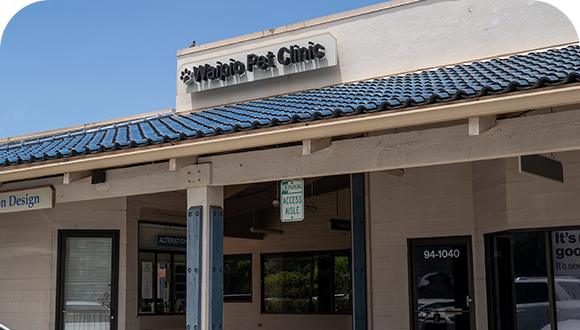
Pet Hospitals of Hawaii provides veterinary care through five locations across Oahu - Waipahu Waikele Pet Hospital, Wahiawa Pet Hospital, Kailua Makai Pet Hospital, Waipio Pet Hospital, and Pet Specialists of Hawaii. Our team can determine whether your pet may benefit from X-rays, veterinary ultrasound, laboratory testing, or other diagnostic services based on their individual needs.
Schedule diagnostic veterinary care with Pet Hospitals of Hawaii to determine the appropriate next step. Visit our office in Waipahu, Waikele, Wahiawa, Makai, or Kailua, and a new location coming soon! Call (808) 671-7387 (PETS) to book an appointment today.
Our
Services

Keep
In Touch
Our Locations We Have Five Locations
Open to Serve You!


Waipahu Waikele
Pet Hospital


Wahiawa
Pet Hospital


Makai
Pet Hospital


Kailua Makai
Pet Hospital

Waipio
Pet Hospital


Pet Specialists of Hawaii
Pet Hospital
© 2026 Pet Hospitals of Hawaii. All Rights Reserved.
Accessibility Statement Privacy Policy SMS Terms of Use Sitemap